Butter Run Calculator — Will Your Run Churn Butter?

Butter Run Calculator — Will Your Run Churn Butter?

Predict whether your run will churn butter. Enter cream type, distance, temperature, and terrain to get success probability with our 6-factor model.

Advanced Options — Cream & Container

How to Make Butter While Running (Butter Run Guide)

  1. Choose heavy cream with 36%+ fat

    Use heavy whipping cream (at least 36% fat content). Check the label — avoid cream containing carrageenan or stabilizers, which prevent butter formation. Double cream (48%) works even faster.

  2. Double-bag in ziplock bags, fill 60-70%

    Pour the cream into a sturdy ziplock bag, then place that bag inside a second bag. Fill only 60-70% full to leave room for the cream to slosh and incorporate air. Add a pinch of salt.

  3. Place in your running vest or backpack

    Secure the sealed bags in a running vest front pocket or hydration backpack. The cream needs to bounce rhythmically during your run. Avoid handheld carrying unless you actively shake it.

  4. Run 8-10 km on trails at 10-13 degrees C

    Head out for a 45-60 minute trail run in cool weather (10-13 degrees C / 50-55 degrees F). Trail terrain provides 30-50% more agitation than roads. The cream progresses through stages: liquid, thick, whipped, grainy, then butter.

  5. Check for butter grains and drain buttermilk

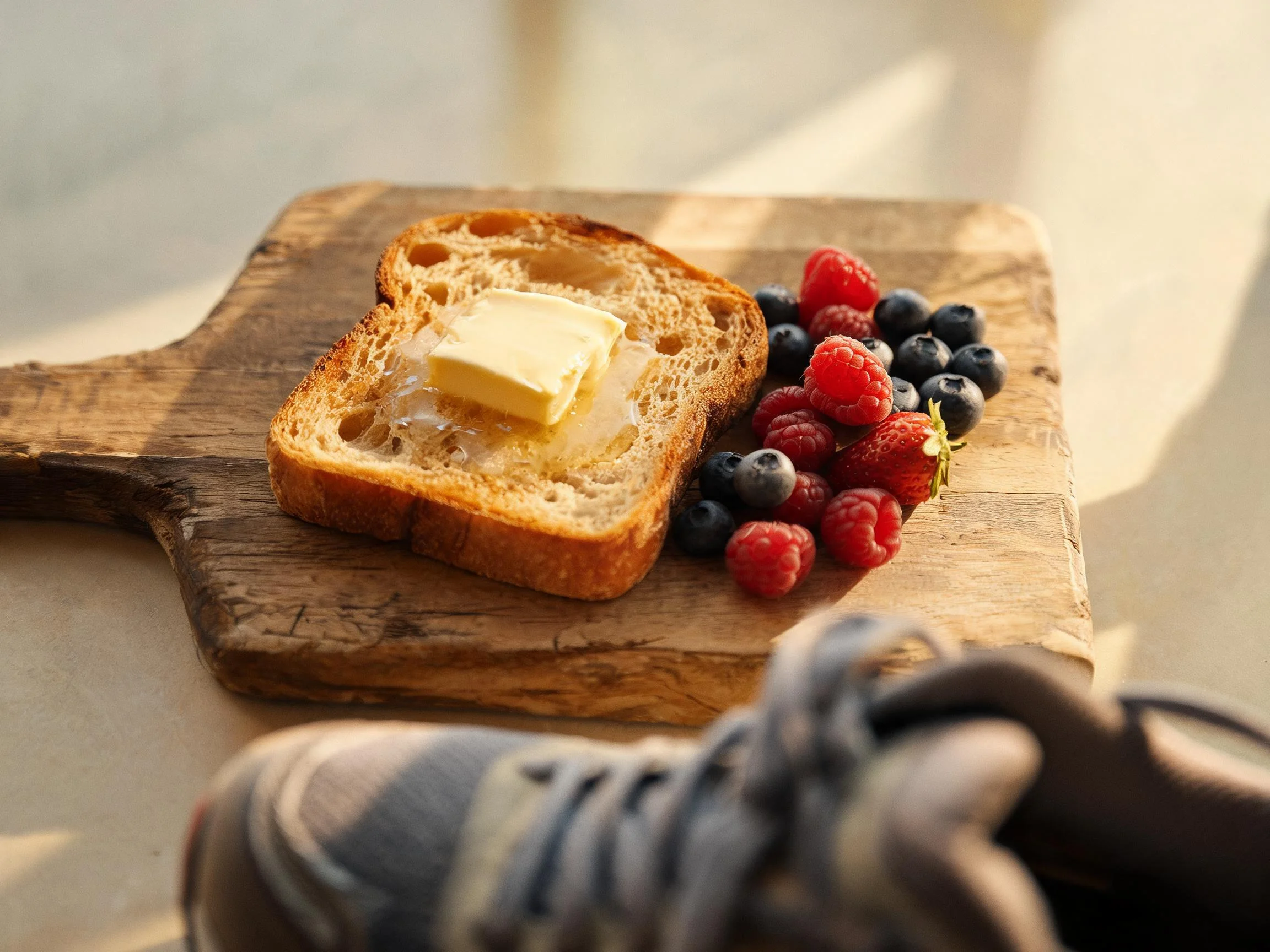
    After 45+ minutes, check the bag. You should see solid yellow butter grains floating in liquid buttermilk. Drain the buttermilk, rinse the butter with cold water, and knead briefly. Spread on bread and enjoy!

What Is a Butter Run?

A butter run (also called "Churn and Burn") is a viral running challenge where runners carry heavy cream in a sealed container during their run, using the natural bouncing motion to churn it into real butter. The trend exploded in early 2026 when Oregon runners Libby Cope and Jacob Arnold posted a video of their trail run experiment — the clip hit 2.3 million views on TikTok and 11 million on Instagram within weeks.

The concept is beautifully simple: cream is an emulsion of fat molecules suspended in liquid. When shaken vigorously and long enough, those fat molecules collide and clump together, separating from the liquid buttermilk. A trail run, with its constant jostling, is essentially a long, slow churning session. After about 45-60 minutes of running, you open your bag to find fresh, spreadable butter.

How the Butter Run Calculator Works

The Butter Run Calculator uses a 6-factor weighted model to predict your churning success:

  • Duration (30% weight) — Calculated from your distance and pace. Minimum 30 minutes needed; sweet spot is 45-60 minutes.
  • Temperature (25%) — The most critical environmental factor. Optimal range is 10-13°C (50-55°F). Too cold and fat molecules move slowly; too hot and everything melts.
  • Fat Content (20%) — Higher cream fat percentage means more raw material for butter. 36%+ heavy cream is recommended.
  • Agitation (15%) — Trail running generates the most churning motion, followed by road, then treadmill. Faster paces add a slight bonus.
  • Container (10%) — Flexible containers (ziplock bags) transfer body motion better than rigid bottles.

The calculator combines these factors to produce a success probability score and an estimated butter yield in grams. Each factor is scored individually so you can see exactly which conditions to improve.

Tips for a Successful Butter Run

  • Use double-layered ziplock bags — This prevents leaks and transfers maximum motion to the cream. Place the sealed inner bag inside a second bag as insurance.
  • Start with cold cream — Take it straight from the fridge. The temperature will rise naturally from your body heat during the run.
  • Choose a trail route — Uneven terrain generates 30-50% more vertical oscillation than flat roads, significantly increasing churning efficiency.
  • Aim for 8-10 km — This gives you the ideal 45-60 minute churning window at most recreational paces.
  • Check the weather — 10-13°C (50-55°F) is the butter zone. Use the Weather Score tool to check conditions.
  • Add a pinch of salt before running — Salt speeds up fat molecule coalescence and makes the butter taste better.
  • Don't overfill — Leave room for the cream to slosh around. Fill the bag about 60-70% full for maximum agitation.

The Science Behind Butter Churning While Running

Butter formation is a phase inversion process. Cream is an oil-in-water emulsion — tiny fat globules (1-10 μm) suspended in a water-based liquid, stabilized by a membrane of phospholipids and proteins. When this emulsion is subjected to sustained mechanical agitation, three things happen:

  1. Membrane disruption — The constant shaking damages the protective membrane around fat globules, exposing the raw fat surface.
  2. Fat coalescence — Exposed fat surfaces stick to each other, forming increasingly larger clumps. This is the "grain" stage where tiny butter granules appear in the liquid.
  3. Phase inversion — Eventually, enough fat clumps merge that the system flips from oil-in-water (cream) to water-in-oil (butter). The remaining liquid is buttermilk.

Running provides ideal conditions because it generates consistent, rhythmic vertical oscillation — typically 8-10 cm of bounce per stride at 160-180 steps per minute. Over a 10 km run, that's roughly 16,000 individual agitation cycles — more than enough to fully churn cream into butter.

Temperature matters because fat molecules must be soft enough to merge on contact but firm enough to hold their shape. Below 5°C, the fat is too hard. Above 20°C, it's too soft and won't separate cleanly. The 10-13°C sweet spot is where the physics works best.

Creative Butter Run Variations

The butter run community has gotten creative since the original challenge went viral:

  • Chocolate Ice Cream Run — Replace cream with a chocolate ice cream base mix. The freezing-then-churning process is trickier but has been done successfully on cold-weather trail runs.
  • Honey Butter Run — Add honey to the cream before running. Runner Irene Choi's corn juice honey butter variation hit 2.9 million views on TikTok.
  • Herb Butter Run — Add rosemary, garlic, or other herbs to the cream. The agitation infuses the flavors while churning.
  • Team Relay Butter — Pass the cream bag between relay team members. Each runner adds their portion of churning to the collective effort.
  • Distance Challenge — What's the shortest distance that can produce butter? Competitive runners are pushing for sub-5K butter runs with maximum agitation techniques.

Sources & References

  1. Goff, H.D. & Hartel, R.W. (2013). Cream Churning Physics: Fat Globule Coalescence Under Mechanical Agitation. Ice Cream (7th ed.), Springer.
  2. Parade Magazine (2026). Butter Run Challenge Goes Viral — The Science Behind It. parade.com.
  3. Scientific American (2023). Shaking Up Butter: The Science of Churning. scientificamerican.com.
  4. Korea Herald (2026). Butter Run Challenge Churns Up Social Media and Korea's Running Boom. koreaherald.com.
  5. TODAY Show (2026). Churn and Burn: Runners Are Making Butter Mid-Run. today.com.

Frequently Asked Questions

How far do I need to run to make butter?

Most successful butter runs require 5 to 10 kilometers (roughly 30 to 60 minutes of running). The sweet spot reported by the original viral creators is around 6 miles (10 km). Shorter runs may only produce thickened or whipped cream, while longer runs don't significantly improve results once the butter has already formed. The key factor is sustained, rhythmic agitation over time — not pure distance.

What type of cream works best for a butter run?

Use heavy cream (heavy whipping cream) with at least 36% fat content. Higher fat content means more fat molecules available to clump together during churning. Regular whipping cream (30-33%) can work but requires longer distances. Half-and-half or milk will not work — the fat content is too low for the agitation to separate it into butter. For best results, use fresh, cold heavy cream straight from the fridge.

Can I make butter on a treadmill?

Technically yes, but treadmill running is less effective than outdoor running for butter churning. Treadmill belts absorb much of the vertical impact that creates the agitation needed to churn cream. Trail running is the most effective because uneven terrain generates maximum bouncing and jostling. If you only have a treadmill, try increasing the incline variation and using a handheld bottle you can actively shake.

What if I only get whipped cream instead of butter?

Getting whipped cream means you're partway there but need more agitation time. Common causes: your run was too short (under 30 minutes), the temperature was too cold (fat molecules move slowly), or the container was too rigid (not enough motion transfer). To fix it: run longer next time, use a flexible container like double-layered ziplock bags, and aim for ambient temperatures of 10-13°C (50-55°F). You can also finish the job by hand-shaking the bag for a few minutes after your run.

Is butter run butter safe to eat?

Yes, if handled properly. The butter is made from pasteurized cream through the same physical process as commercial butter — just agitation instead of a churn. Key safety tips: use fresh cream within its expiration date, keep the sealed container close to your body (body heat helps but shouldn't exceed 20°C), consume or refrigerate the butter within 2 hours of your run, and use clean, food-safe containers. The separated buttermilk is also safe to drink.

Does running pace matter for butter churning?

Pace has a moderate effect. Faster running generates more vertical oscillation per minute, which increases agitation. However, the difference between a 5:00/km and 7:00/km pace is less important than terrain choice and total duration. A slow trail run with lots of elevation change will churn butter faster than a fast, smooth road run. The most important factor is that you run long enough (45-60 minutes) with consistent motion.

Why did I get whipped cream instead of butter?

This is the most common butter run failure, and it means you were close but didn't quite reach the phase inversion point. Cream goes through stages: liquid, thickened, whipped cream, then finally butter + buttermilk separation. If you stopped at the whipped cream stage, the most likely causes are: (1) Not enough time — you need at least 45 minutes of sustained agitation. Try running 2-3 km farther. (2) Too warm — if the temperature was above 18°C, the fat stayed too liquid to form solid crystal bridges between globules. (3) Flat terrain — road or treadmill running generates less vertical bounce. Switch to trails. (4) Stabilizers in cream — some commercial creams contain carrageenan or other stabilizers that actively prevent the fat from separating. Check the ingredient label.

Can I make butter running in hot weather above 25°C?

It's very difficult above 25°C. Butter formation depends on milk fat existing partly as solid crystals — at 10-13°C, about 45-60% of the fat is crystallized, which is ideal. Above 25°C, the solid fat content drops below 30%, and the crystal bridges needed for butter formation can't form reliably. If you must try in warm weather: (1) Start with the cream as cold as possible (straight from fridge at 4°C). (2) Use an insulated container or wrap the bag in a thin towel. (3) Run at dawn when it's coolest. (4) Use double cream (48% fat) for maximum fat content. Even then, above 30°C, you'll almost certainly end up with warm whipped cream rather than butter.

References 5 peer-reviewed sources
  1. Goff, H.D. & Hartel, R.W. (2013). Cream Churning Physics: Fat Globule Coalescence Under Mechanical Agitation. Ice Cream (7th ed.), Springer.
  2. Parade Magazine (2026). Butter Run Challenge Goes Viral — The Science Behind It. parade.com.
  3. Scientific American (2023). Shaking Up Butter: The Science of Churning. scientificamerican.com.
  4. Korea Herald (2026). Butter Run Challenge Churns Up Social Media and Korea's Running Boom. koreaherald.com.
  5. TODAY Show (2026). Churn and Burn: Runners Are Making Butter Mid-Run. today.com.