Marathon Nutrition: Science-Based Fueling Guide
What to eat before and during a marathon: carb loading protocol (8-10g/kg), race-day gel timing (60-90g/hr), gut training, GI prevention, and recovery nutrition.
Evidence-based Nutrition & Fueling guides to help you train smarter and run better.
What to eat before and during a marathon: carb loading protocol (8-10g/kg), race-day gel timing (60-90g/hr), gut training, GI prevention, and recovery nutrition.
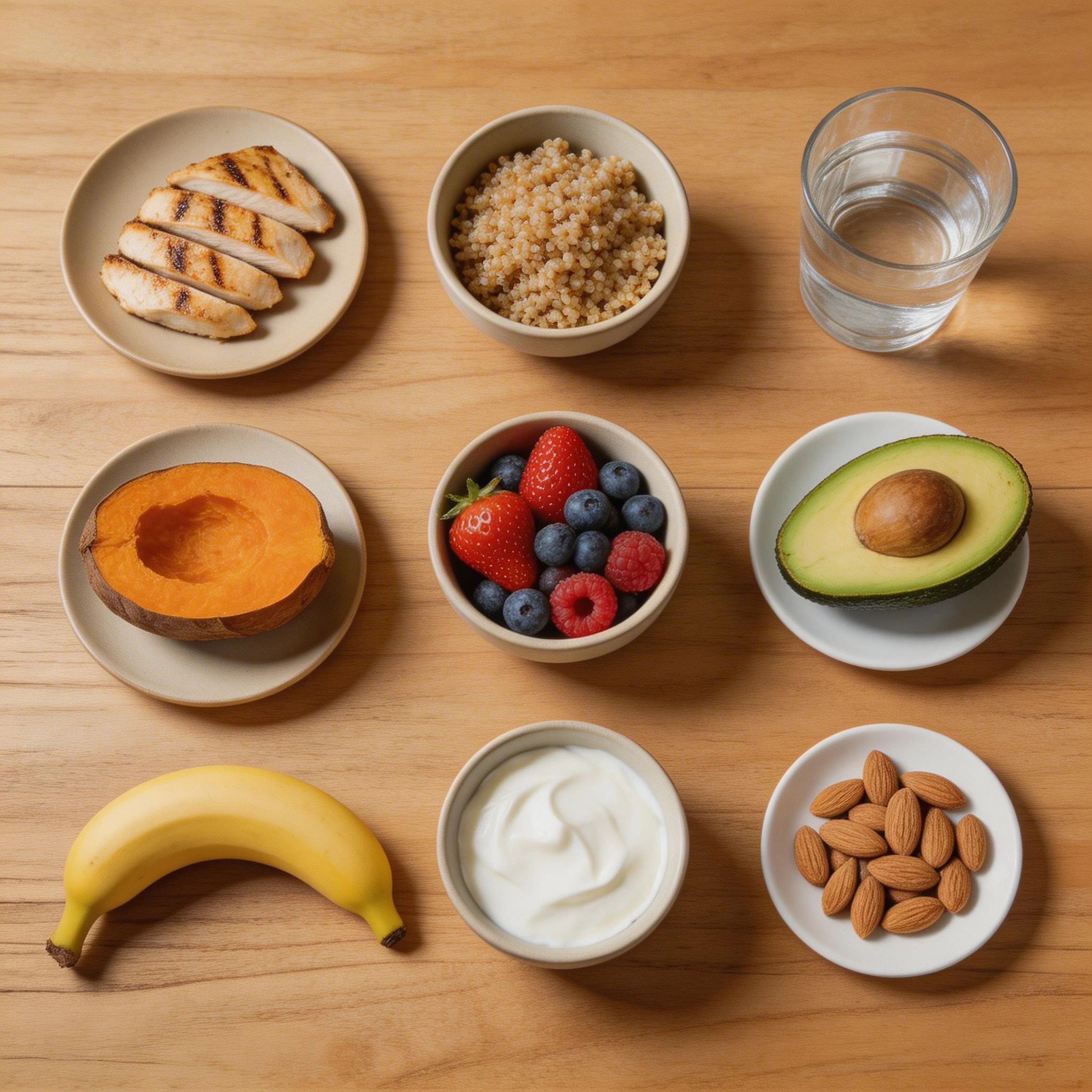
What should runners actually eat? Daily macro targets — 5-8g/kg carbs, 1.4-1.8g/kg protein — plus a real 7-day meal plan matched to your training week.
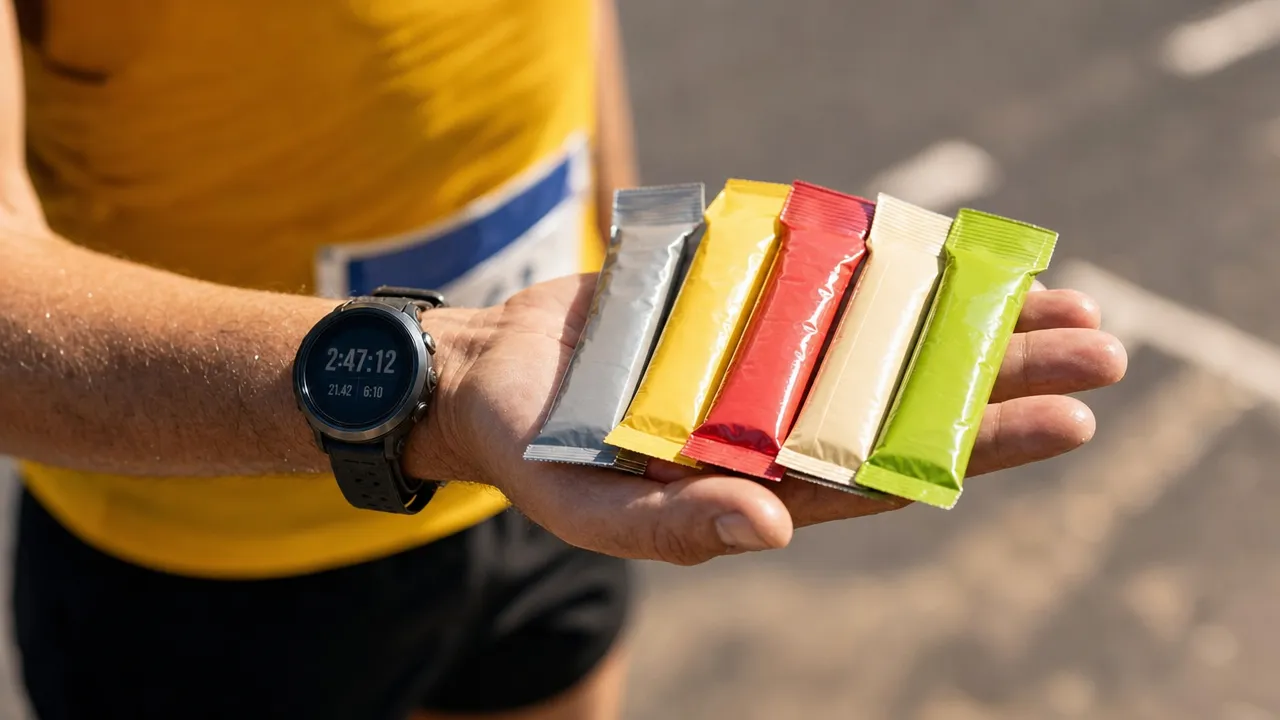
How many gels for a marathon? 5-8 gels at 30-min intervals, 30-60g carbs/hour. Gel timing blueprints for sub-3 to 5-hour goals, plus gut training protocol.
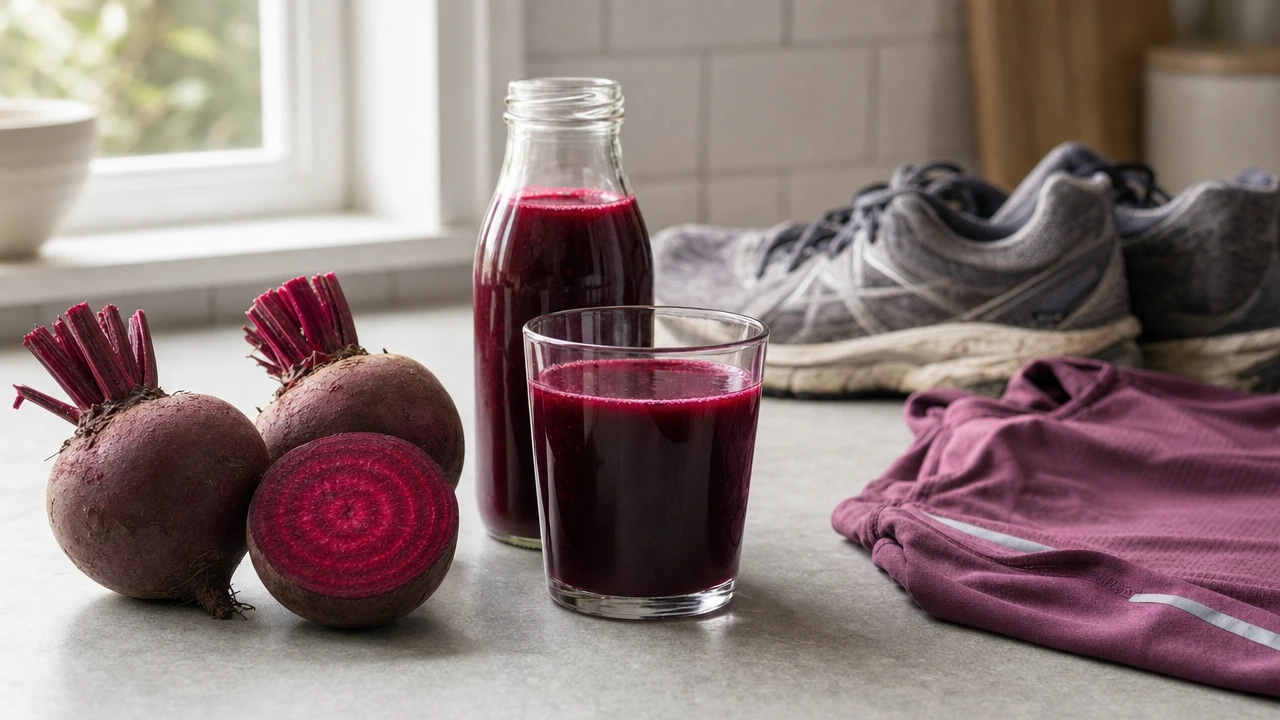
How much beetroot juice before a race? The research dose is 6 mmol (372 mg) daily for 3+ days - and two meta-analyses found no effect in trained runners.
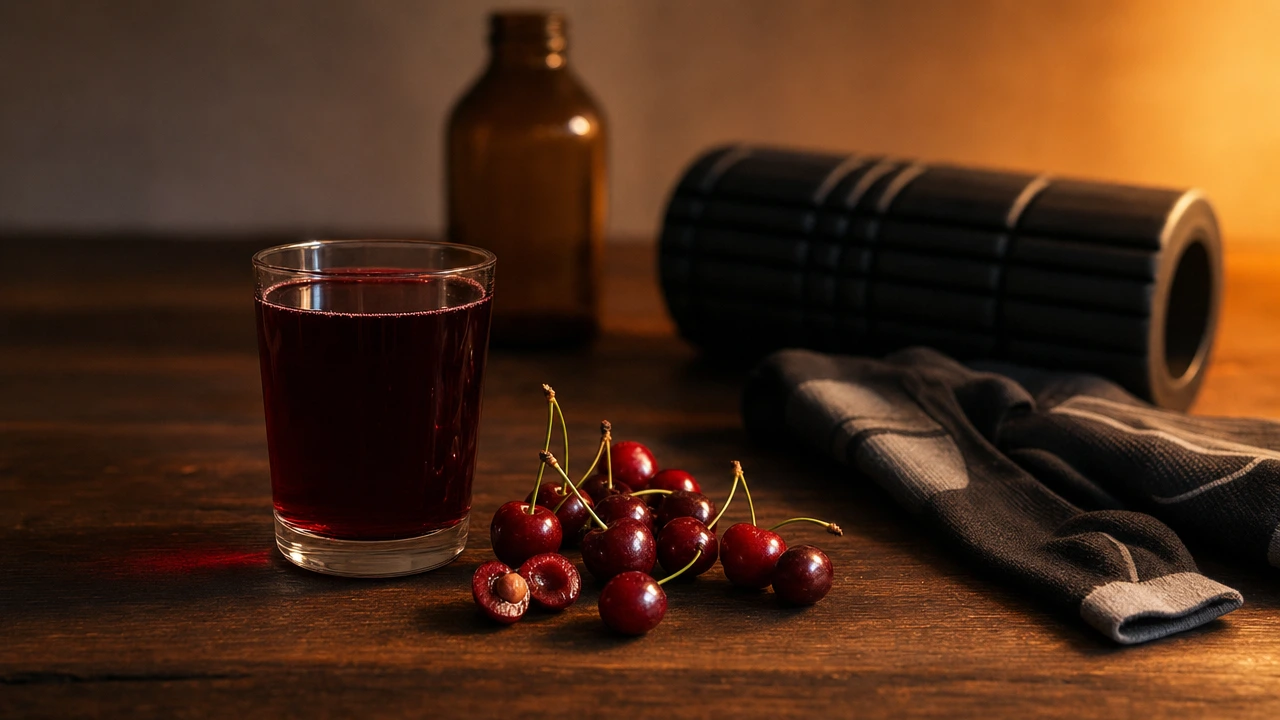
Does tart cherry juice work? A 19-trial meta-analysis says it speeds strength recovery, not soreness - plus the 8-day protocol and the pre-race reversal.
How much water should runners drink? Drinking too much is more dangerous than dehydration. Test your sweat rate, time sodium, and avoid hyponatremia.
Why slow runs maximize fat oxidation, what Fatmax actually means for trained vs untrained runners, and a weekly protocol that beats EPOC and fasted hype.
Easy runs on an empty stomach are safe for most healthy runners — but they burn only ~3 g of extra fat, and eating first wins for long or hard sessions.
Creatine's measured wins are efforts under 3 minutes; the cost is about 1 kg — an estimated 2.4 min on a 4-hour marathon. Who it suits, and how to test it.
Most gel roundups rank products without normalising them. Compare 30 gels on carbs, cost per 25 g of carbs, caffeine, sodium and whether they need water.
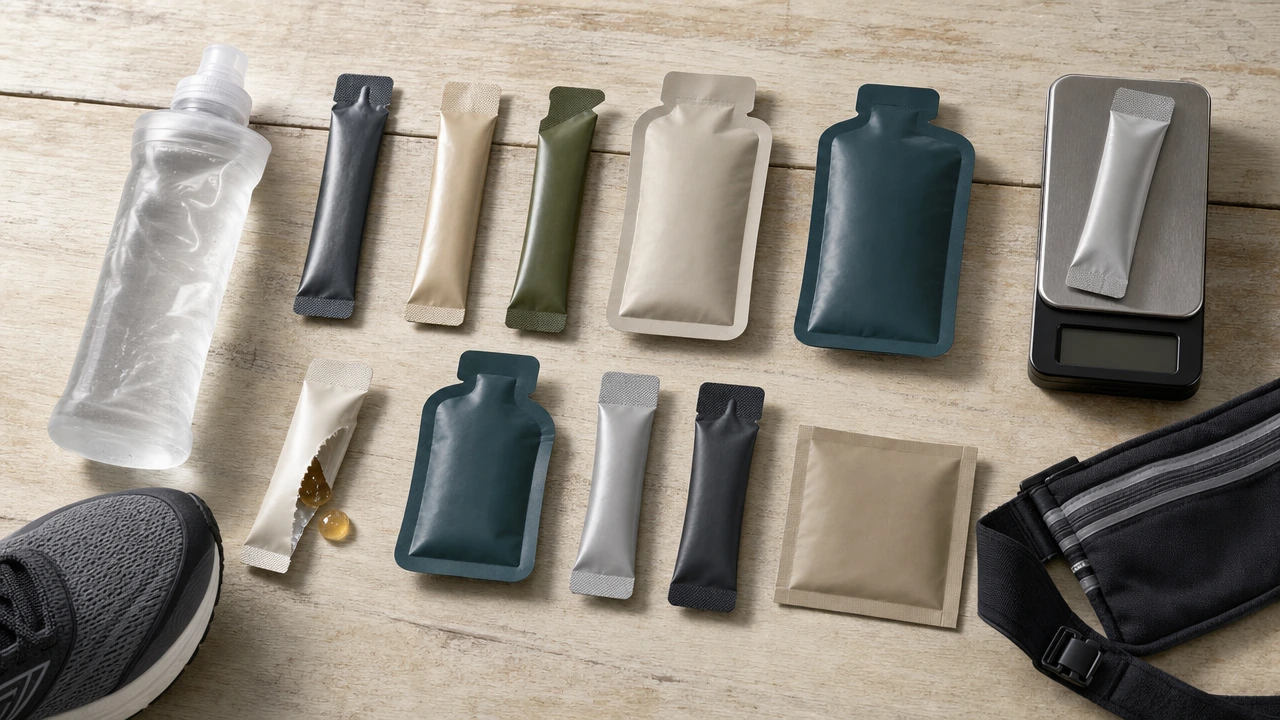
30-60g/hour is the published baseline (ACSM 2016). Trained-gut runners (those who practice fueling at marathon pace) can absorb 80-90g/hour using glucose+fructose blends. Below 30g/hour increases bonking risk after 2 hours; above 60g/hour without gut training causes GI distress. Use the gel calculator to plan timing across 26.2 miles based on your gel choice and weight.
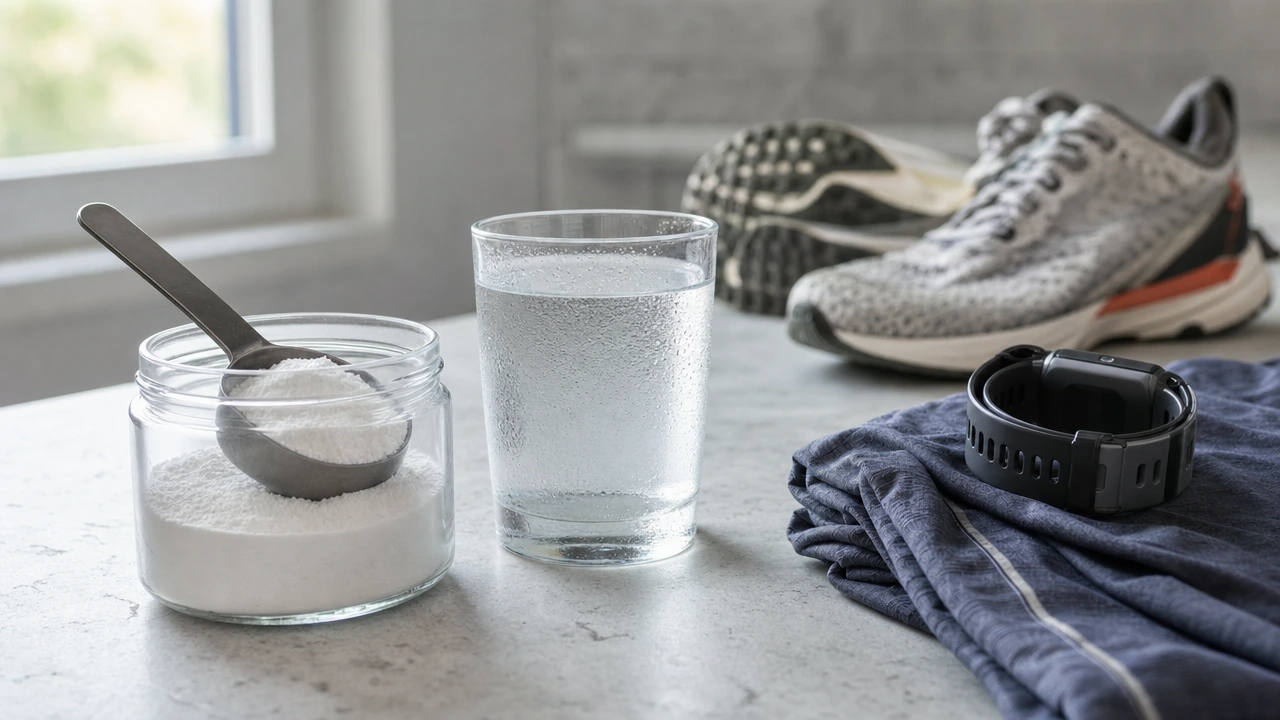
Weigh yourself naked before a 60-minute run at moderate effort. Run with no fluid intake (or measure exactly what you drink). Weigh again immediately after, naked. Weight loss in kg + fluid intake in liters = sweat loss per hour. Most runners sweat 0.5-1.5 L/hour; hot conditions can push to 2L+. The hydration guide covers the protocol and how to translate the result into a race plan.
Yes if the race is over ~90 minutes for you. The 1-day modified protocol (8-12g/kg in the 24-36 hours before) works for most marathoners and avoids the heavy-feeling legs of the older 3-day depletion-then-load model. For a 70kg runner that's 560-840g carbs total. The marathon nutrition guide includes meal templates and timing.
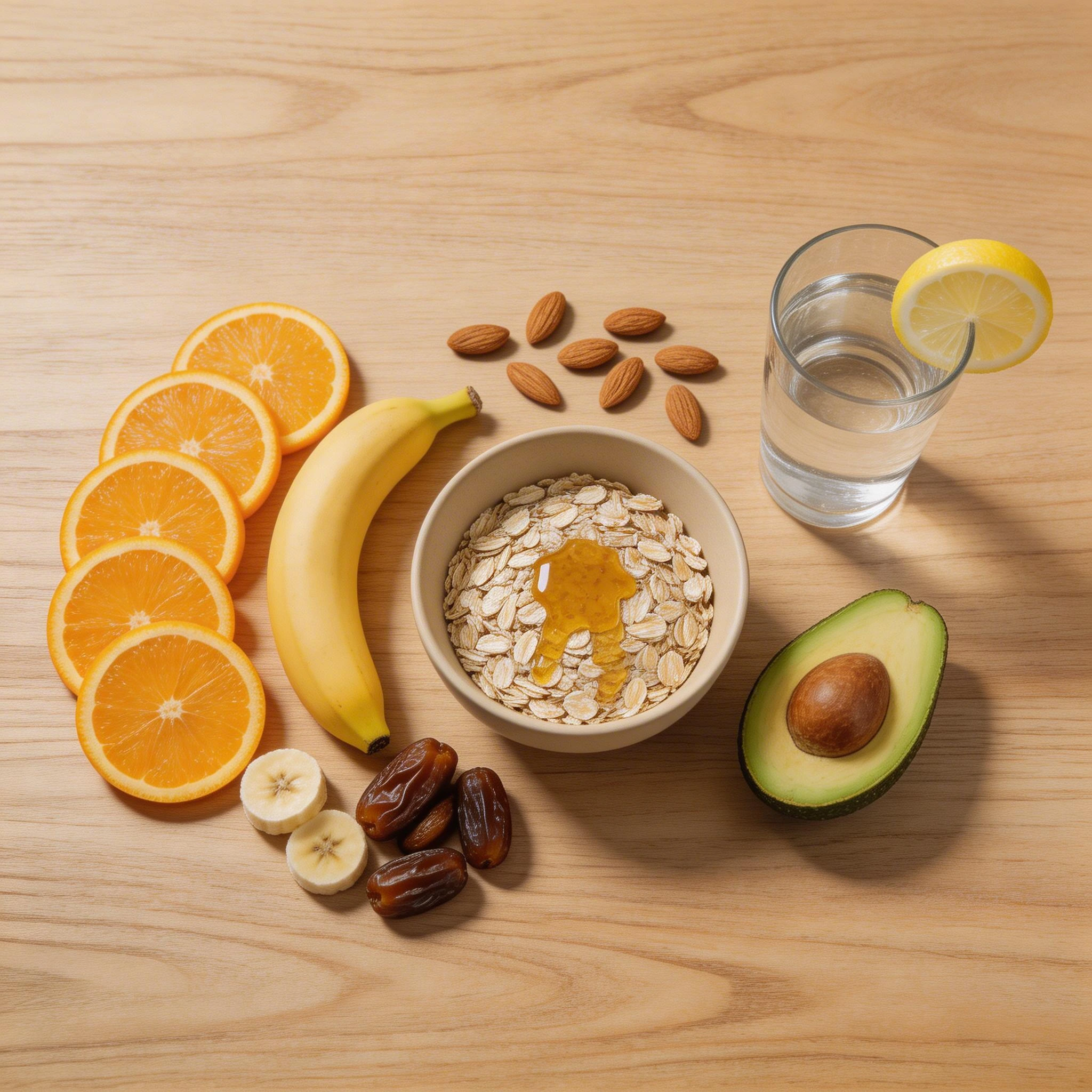
100-300g of low-fiber, low-fat carbs that you've practiced with in training. Common templates: oatmeal + banana + honey; bagel with peanut butter; toast + jam + sports drink. Avoid: anything new, fried foods, high-fiber cereals, dairy if you're sensitive. Sip 400-600ml fluid in the 2 hours before, then 150-250ml in the final 30 minutes. See race fueling strategy.
Both have a role. Most runs (70-80% of weekly volume) should be fueled at moderate carb intake to support quality. Occasional fasted easy runs (1-2x per week, low-volume) train the body's fat-oxidation enzymes — useful for ultra-distance runners and for body composition goals. Never fast before quality sessions or long runs over 90 minutes. The running for fat loss guide covers the science and protocols.
For most runners under 4 hours and in cool weather, yes — Noakes' "drink to thirst" model holds up in the published research. For runners over 4 hours, in heat above 22°C, or those who sweat heavily, scheduled hydration outperforms thirst alone. The trade-off: under-drinking risks performance loss; over-drinking risks hyponatremia (low blood sodium). Sweat rate testing tells you which side of that line you're on — see hydration for runners.
Most marathon DNFs and disastrous final 10Ks aren't fitness failures — they're fueling failures. Run out of glycogen at km 32 and the legs simply stop responding to effort, regardless of how many easy miles you ran in training. The published research is consistent: marathoners need 30-90g of carbohydrate per hour during the race (with the upper end requiring trained-gut adaptation), 400-800ml of fluid per hour depending on sweat rate and temperature, and a daily diet that supports 60-80% of total calories from carbs during heavy training blocks.
This category collects 5 guides on the nutrition stack runners actually need: daily nutrition that supports adaptation between sessions; race-day fueling strategy by distance (5K through marathon); hydration calibrated to your individual sweat rate from a pre-run weigh test; marathon-specific carb-loading protocols (3-day and 1-day variants); and the science of fat-burn vs glycogen-burn for runners targeting body composition. Each guide pairs with a calculator — gel timing intervals, hydration plans by sweat rate, calories burned per kilometer.
If you have a race coming up, start with race fueling strategy and the marathon nutrition guide. If you're newer to structured training, the daily nutrition guide is the foundation — most nutrition mistakes come from runners optimizing race day while their daily fueling is undermining adaptation. Hydration is universal: every runner should test sweat rate at least once per season, especially before summer training.