Heart Rate Training: Zones & Methods
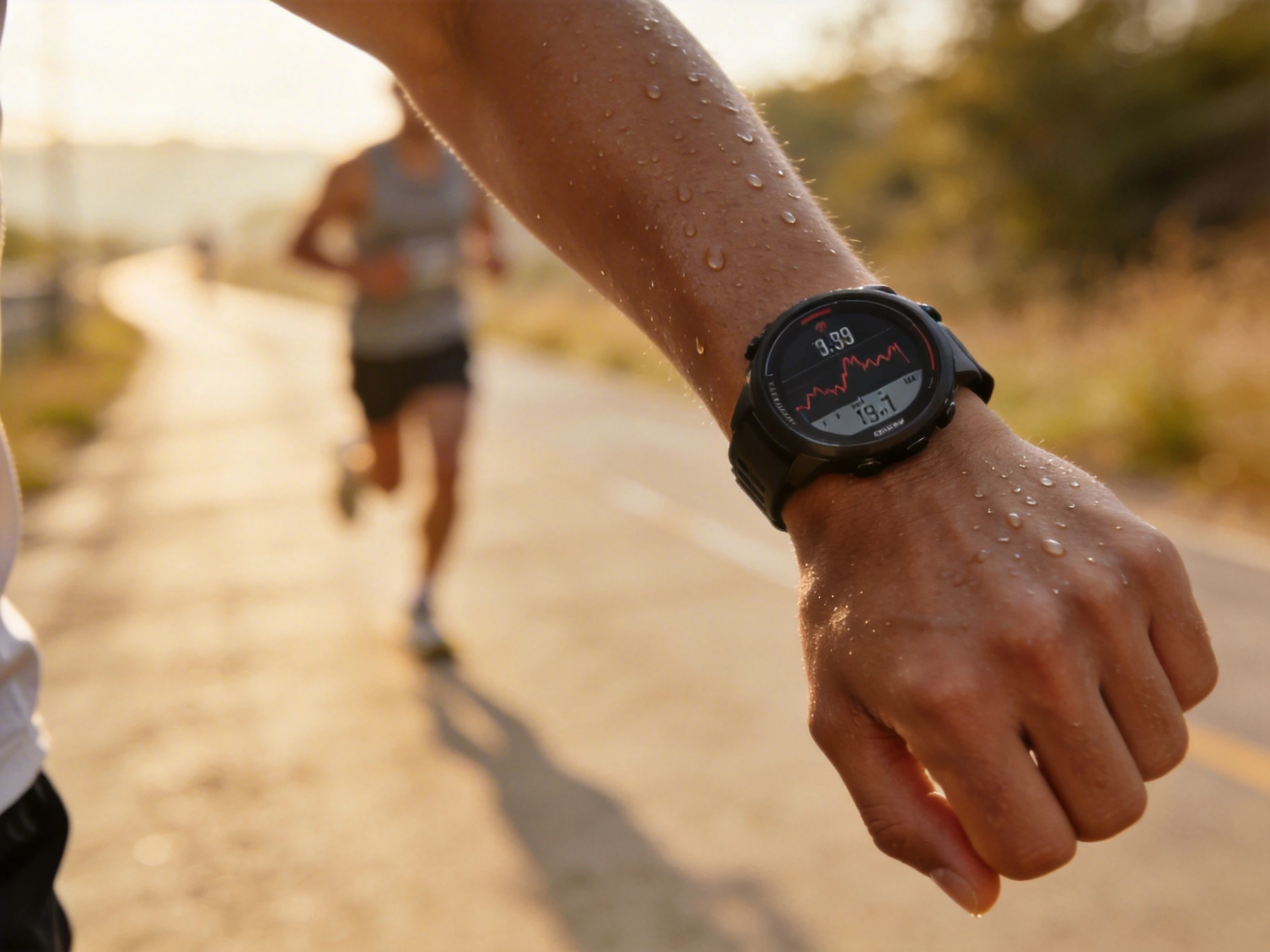
How do you find the right heart rate zone for running? Zone calculation with the Karvonen method, HR monitor tips, and training applications.
Evidence-based Running Science guides to help you train smarter and run better.
How do you find the right heart rate zone for running? Zone calculation with the Karvonen method, HR monitor tips, and training applications.
Median marathon finish: men 4:14, women 4:41, overall 4:25:33 across 430,000 real US finishers. Plus what counts as a good time for your age & gender.
Average half marathon time by age & gender: median finish 1:59:48 (men), 2:24:03 (women), 2:14:59 overall. Top 10% is sub-1:47:10. Real 35M-result data.
Average 5K time by age: half of finishers run under 30:00. Age-group averages: men 27:00-41:00, women 32:42-47:00. Percentiles: top 10% run sub-22:00.
What does your VO2max mean for race day? Estimate it without a lab, discover the best interval workouts to raise it, and set realistic improvement targets.
The viral butter run turns 8–10 km of trail bounce into real, spreadable butter. Get the science, the ideal 10–13°C cream window, and a free calculator.
When should you train hard again? 48h after speed work, 72-96h after tempo or long runs — supercompensation timing by workout type for runners.
Nose vs mouth, 3:2 rhythm, side stitches, mouth tape, PowerBreathe — what the actual papers say (with sample sizes) and the fixes that work mid-race.
What is a good running cadence for your height? The 180 spm rule is a myth. A 5-10% increase cuts braking forces by 10-20% without forcing unnatural strides.
75-80% of runners heel strike — and that is fine. Compare real injury data across all 3 foot strike patterns and learn when an 8-12 week transition helps.
Strap ice, rock salt, and sweet cream to your vest and run ~25-40 min for real soft-serve. The science, the 5:1 salt ratio, and why it is a summer trick.
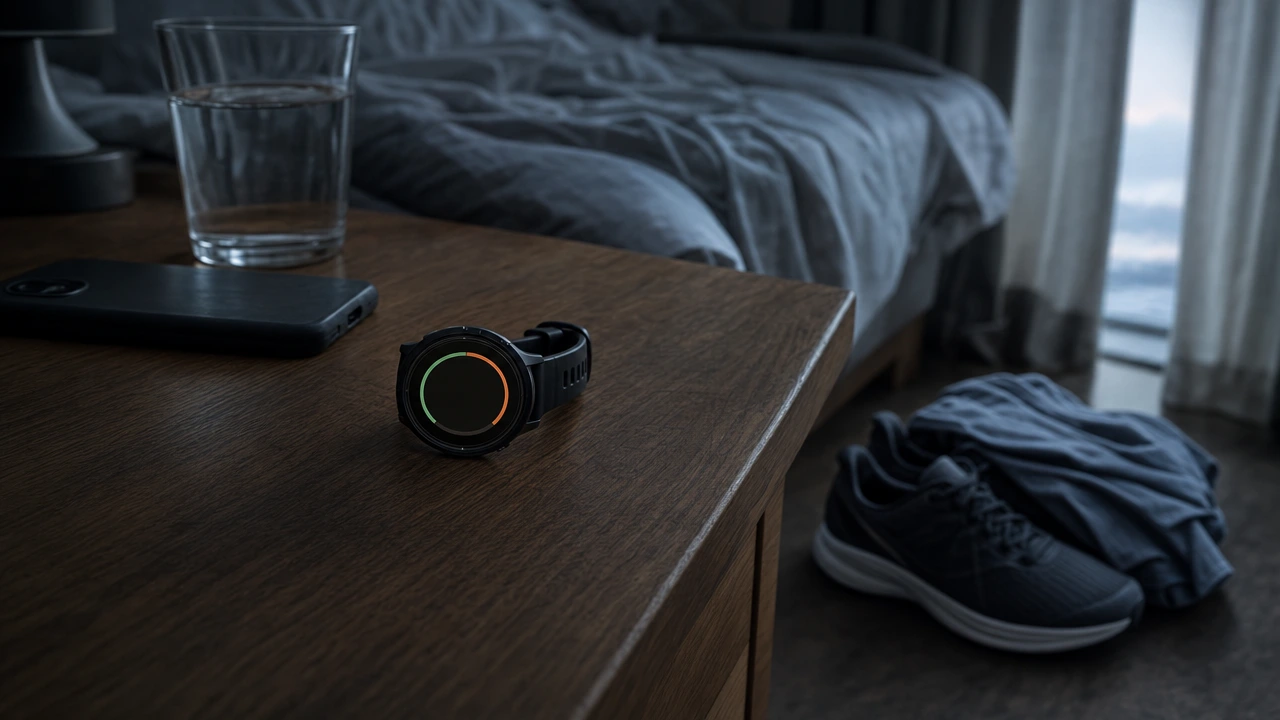
78 is High, not Prime: most sites publish the wrong Garmin training readiness ranges. The official five tiers, the six inputs, and why yours is always low.
The 180 spm figure comes from Jack Daniels' observation of elite distance runners at the 1984 Olympics — but elites span 175-200 spm depending on height, leg length, and event. For recreational runners, the more useful target is your own current cadence + 5%, applied gradually over 6-8 weeks. See the cadence and stride length guide and use the cadence calculator.
Three approaches: 220-minus-age (rough, often 10-15 bpm off), the Karvonen formula using resting HR (better for fit runners), or — most accurate — a max HR test or LTHR (lactate threshold heart rate) field test. RunDida's heart rate zones calculator supports all three. The detailed protocol is in heart rate training guide.
Norms vary widely. A 35-year-old male recreational runner sits around 45-50 ml/kg/min; an elite male marathoner is 70-85+. Garmin and Apple Watch estimates are derived, not measured, and tend to overestimate for trained runners and underestimate for sedentary users. The VO2max guide covers measurement protocols and what the number actually predicts.
For most recreational runners, no — the published evidence (Hamill 2014 systematic review, Hasegawa 2007 elite marathon study) shows ~75% of marathoners heel-strike and there is no consistent injury or performance advantage to forefoot. What matters more is cadence, stride length relative to height, and where your foot lands relative to your hip. See forefoot vs heel strike.
Use the average marathon time by age and average 5K time by age reference tables. Both pull from large datasets (Strava, Run Repeat) segmented by gender and 5-year age bands. "Above average" usually starts around the 60th percentile for your bracket; "competitive recreational" begins around the 80th.
Supercompensation is the temporary fitness gain (above baseline) that occurs after the right amount of recovery from a hard session — typically 24-72 hours, depending on the workout's stress and your training age. Train again too soon and you accumulate fatigue; wait too long and you miss the window. The supercompensation guide explains how to space hard sessions to land your next workout on the upswing.
Most running advice on the internet operates one layer above the physiology: "run more easy miles", "add intervals", "increase your cadence to 180". The numbers are right; the why is often missing. This category collects the underlying science — the cardiac and mitochondrial adaptations that make easy miles work, the relationship between VO2max and race times, the biomechanics of foot strike and stride length, and the data behind average finishing times by age and gender.
The 11 guides here are aimed at runners who already follow a plan and now want to understand the mechanism: why is 180 spm cited as ideal when elite runners actually range from 175 to 200? Why does cadence shift with terrain, height, and fatigue? Why does heart rate drift during a long run even when pace stays constant? Why is forefoot strike not automatically better than heel strike for most recreational runners? Each guide pairs the physiology with the corresponding RunDida calculator so the science becomes a personal number.
Start with whichever metric you measure most often — heart rate is the easiest entry point because every running watch reports it. From there, layer cadence, then VO2max, then form. Don't try to optimize all four simultaneously; the literature is clear that one focused biomechanical change at a time is what actually sticks.